
Social Housing in Spain III: from the Creation of the Ministry of Housing in 1957 to the end of Franco’s regime

Given the improved economic situation, the change in scale of the actions to alleviate the housing shortage after the creation of the new Ministry forever changed the urban landscape in major Spanish cities.

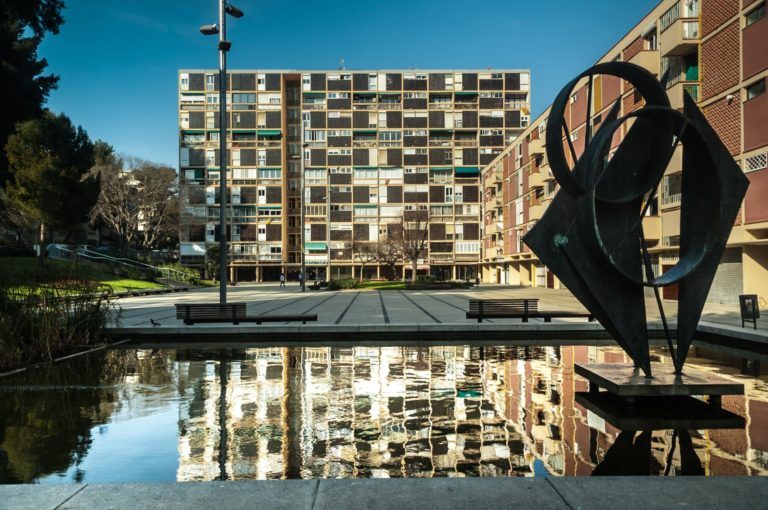
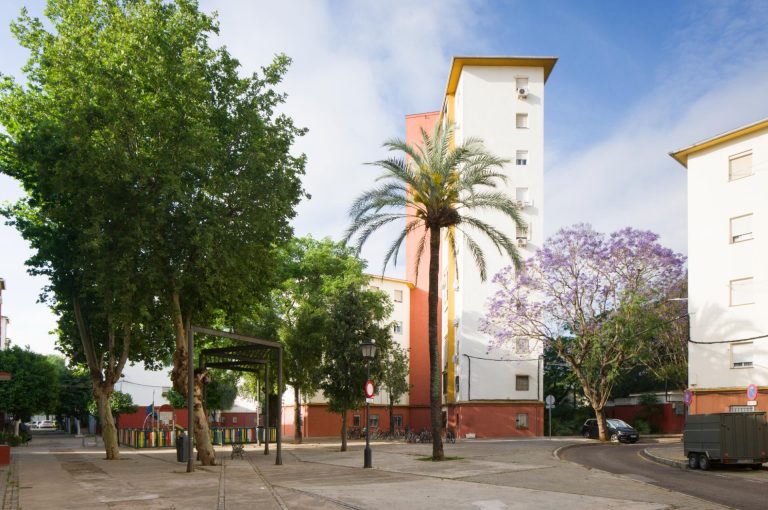
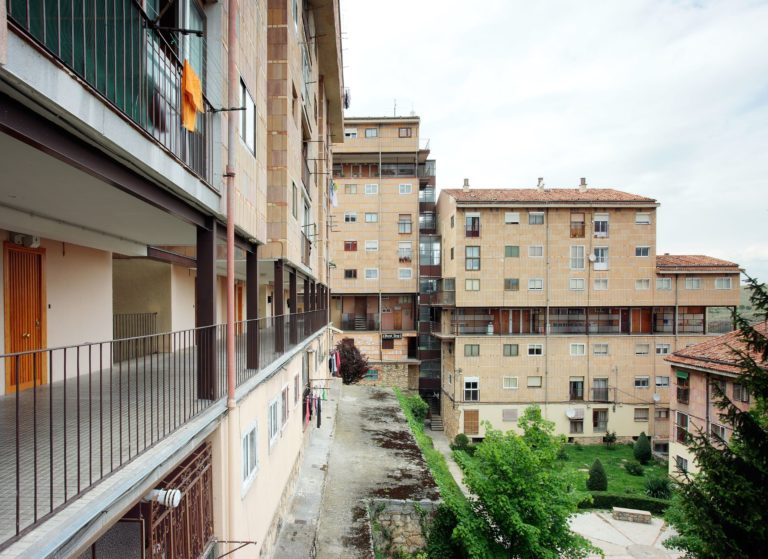
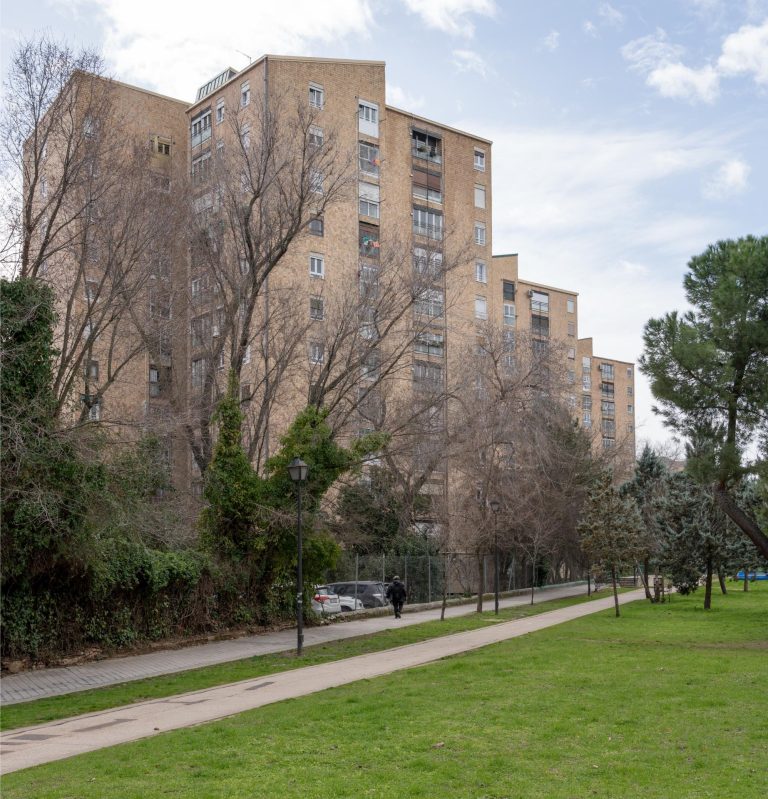
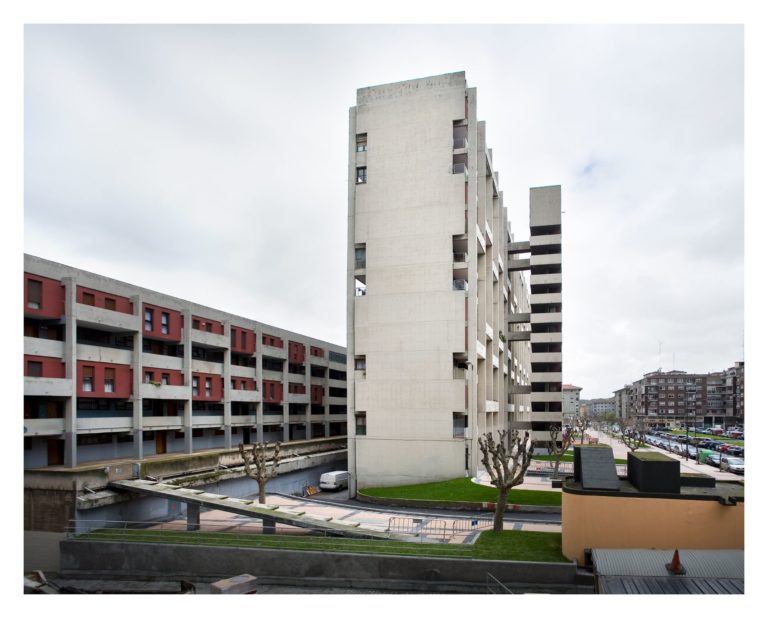
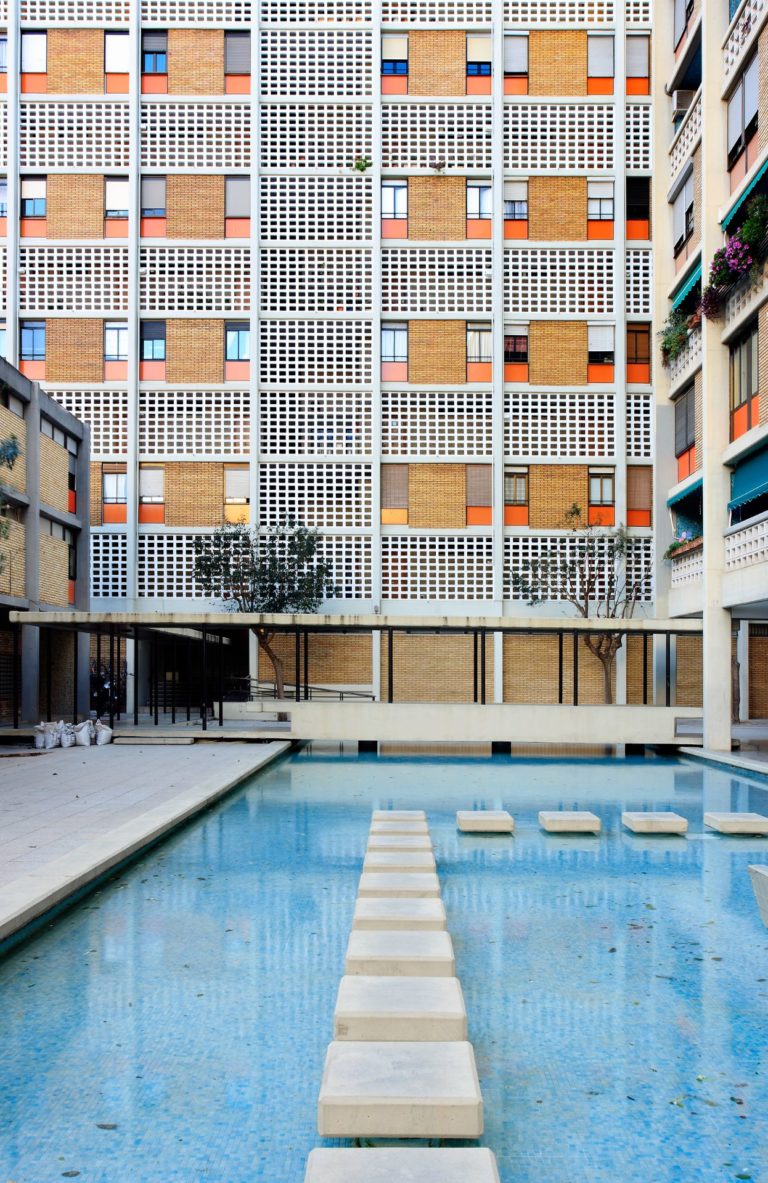
The process of urban concentration had been taking place since the early days of industrialization, but in the 1960s the pressure on cities was unmatched compared to previous decades. Pre-existing phenomena involving substandard housing and shantytowns became much more widespread. The regime was dealing with the problem of access to affordable housing, and there was a need for a change of scale in the solutions, as well as improvements to planning and management tools. One of the measures that supported these new policies was the creation of the Ministry of Housing in 1957. As a result, the regime built three million social housing units throughout the Spanish state, the vast majority during the period from 1965 to 1972. This organizational effort, which involved experimenting with new management and financing models and public-private partnerships, was unprecedented in Spain. The leap in scale in social housing projects in the 1960s marked the starting point for the developmentalist policy of building neighbourhoods and housing estates, which became a propaganda tool for the regime. As part of this change, foreign urban models and forms had to be admitted, which encompassed ideas from the CIAM and models by Team X. The city of “big blocks”, once dismissed, had to be embraced as a feasible solution to carry out widespread urban development. Housing estates were built where there was available and affordable land, often in isolated areas that were disconnected from the urban fabric, with a serious lack of facilities and services. In short, the policies implemented by the Ministry of Housing during the final decades of the Franco regime momentarily alleviated the problem, but they also had lasting effects and brought difficulties in access to housing, with consequences that have persisted into the present.

Introduction

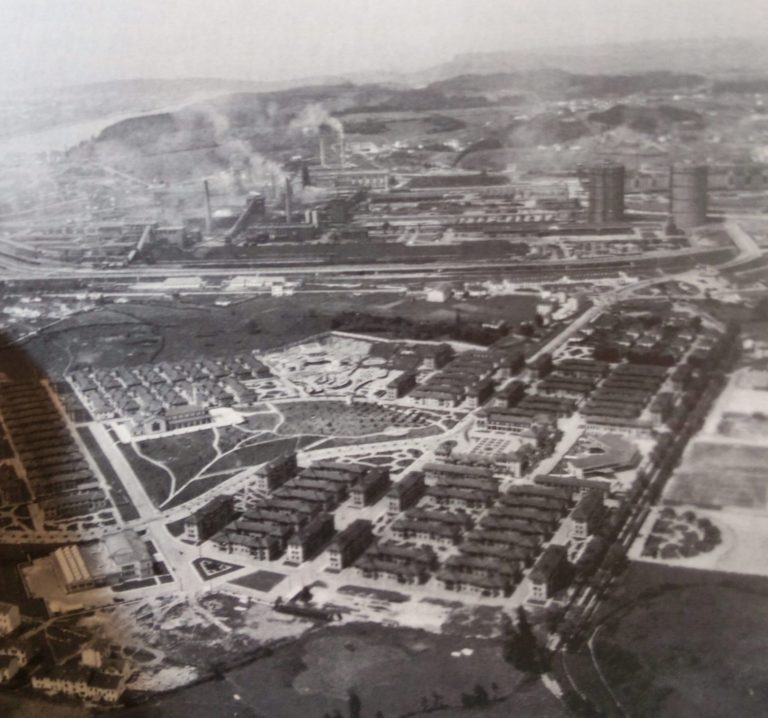
In 1957, the Ministry of Housing was created with the aim of bringing some order to the disperse and ineffective public housing policies dating from the early years of Francoism and to get ahead of a likely increase in the scale of the housing problem. In fact, the reality was even more severe than the forecasts. In the late 1950s, the Spanish political regime gained a new international status, which translated into an improvement in the country’s economic conditions and investment capacity, reindustrialization, and the opening of borders to tourism. This period has generally been referred to as the years of developmentalism. Madrid, Barcelona, Valencia and Bilbao saw industrial developments, including the construction of the SEAT factory in Barcelona’s Zona Franca. In some cases, the need to supply these factories with workers was met with the creation of specific housing developments. While the principal problem of workers’ housing was concentrated in large cities, the pursuit of widespread industrialization led to the creation of new towns or neighbourhoods associated with agricultural and industrial complexes, which had to be located in remote or isolated places far from existing residential areas.

The Deterioration of Urban Environments

New urban developments with direct ties to industrial growth, and designed for workers, were an exception within an otherwise bleak panorama. In general, people moving to big cities for work did not usually receive any help from employers or authorities regarding accommodation. The process of urban concentration had been taking place since the advent of industrialization, but in the 1960s the pressure on cities was of a much greater magnitude than in previous decades. This was especially notable in Madrid, Barcelona, Bilbao, and Valencia. Beginning in 1960, pre-existing phenomena related to substandard housing and shantytowns became much more pronounced. Occupying unsuitable spaces such as riverbeds and coastal areas led to multiple tragic episodes with great human and material costs.


A New Ministry of Housing

The creation of the Ministry of Housing was a direct consequence of the authorities’ growing awareness of the serious problem that was looming in the country’s main cities: access to housing. The two main goals of the ministry were to alleviate the serious housing deficit resulting from population growth and urban concentration, and to try to curb and organize the rapid and disorderly urban development that was taking place in the country’s major cities. Another function of the new ministry, following the dissolution of the General Directorate of Devastated Regions, was to intervene in cases of natural disasters. The National Housing Plan (1956-1960) was already being rolled out before the creation of the ministry, but it was accelerated and expanded under the new ministerial structure. The main goal of the plan was the construction of subsidized housing. The housing units were partially subsidized by the state, and prices were regulated to be accessible to workers and the middle classes. Purchases were financed through soft loans and state subsidies. In addition, the creation of housing cooperatives was encouraged, and private developers were given incentives to participate through tax benefits and favourable loan conditions. This public-private collaboration was intended to increase the available housing stock rapidly. As a result, social housing projects were developed on a scale that had never seen before, with large residential complexes cropping up on the outskirts of cities. These new neighbourhoods were intended to house people living under insecure conditions, such as in shantytowns and informal settlements, as well as the large numbers of people arriving in the country’s large metropolitan areas.

Housing Estates (or Self-Sufficient Neighbourhoods)

The unprecedented leap in scale in social housing projects in the 1960s led to the implementation of new management and financing models: at first, the developers were small and family run, but with the leap in scale of the programs, large investors, especially financial institutions, also came into play. This was the starting point for the typical developmentalist policy of building housing estates, which became a propaganda tool for the regime, which promised a job for everyone, a place to live, and a car of their own. These estates were characterized by being built wherever there was available and affordable land. Often, these areas were isolated and disconnected from existing urban fabrics, and they suffered from a severe lack of facilities and services. There was a similar proportion of small- and large-scale developments, often differentiated by their location: the smaller developments – the first ones to be built – tended to be located within the city limits or in peripheral areas, but in continuity with the urban fabric. The economic and logistical advantages of building in non-consolidated environments soon became apparent, however, and the largest housing estates ultimately ended up in suburban locations.

Conclusion

The actions carried out by the Ministry of Housing in the final decades of the Franco regime were surprising in their quantity, and the policies had consequences that are still being felt to this day. The Law on Urban Leases of 1964 had effects that are at the root of the current crisis in the access to affordable housing: it provided an almost absolute reduction of housing stock in the rental market. The Franco regime also prolonged rent control, a measure that froze rental prices and established the indefinite extension of lease agreements. Additionally, almost immediately, the poor quality of the units in many housing estates built during the Franco regime resulted in situations that were complicated and difficult to resolve: entire neighbourhoods with construction pathologies, in some cases to the point of threatening collapse. Moreover, huge sums of public money had to be invested to provide many of these neighbourhoods with the services befitting a welfare state and in the improvement of public spaces.

Grupo La Paz

Calle Pablo VI
30006, Murcia, España

See fiche

Conjunto de Equipamientos del poblado de Llaranes

Llaranes
33460, Avilés, España

See fiche

Poblado de viviendas de los trabajadores de la Central Nuclear José Cabrera Unión Eléctrica Madrileña

Central Nuclear José Cabrera
19117, Almonacid de Zorita (Guadalajara), España
See fiche

Poblado de Hifrensa

Poblado Hifrensa s/n
43890, Hospitalet de l'Infant, España

See fiche

Barrio de Montbau y viviendas unifamiliares agrupadas

Paseo de la Vall d´Hebron s/núm.
08035, Barcelona, España

See fiche

Grupo de viviendas Antonio Rueda

Avenida Tres Forques y Calles del Archiduque Carlos / Músico Ayllón / Santa Cruz de Tenerife
46018, Valencia, España
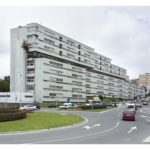
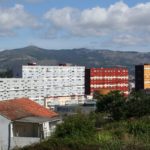
See fiche

Unidad Vecinal número 3

Barrio de Elviña
15008, A Coruña, España

See fiche

Grupo de viviendas para Fenosa

Grupo de viviendas para Fenosa

Travesía de Vigo
36207, Vigo, España

See fiche

Viviendas subvencionadas para empleados de Electra de Viesgo

Viviendas Subvencionadas para Empleados de Electra de Viesgo, SA

Avenida de Ronda 89 - 91
34800, Aguilar de Campóo, España
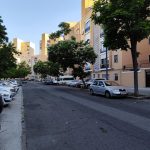
See fiche

Conjunto de viviendas Los Diez Mandamientos

Calle Malvaloca 1-19
41013, Sevilla, España

See fiche

Conjunto de viviendas La Estrella

Conjunto de viviendas La Estrella

Avda. Manuel Siurot, 3
41013, Sevilla, España

See fiche

Conjunto Virgen del Carmen

Conjunto Residencial Virgen del Carmen

Calle Rubén Darío, San José de Calasanz
41010, Sevilla, España

See fiche

Poblado de Soto de Ribera

Poblado de Soto de Ribera

Soto de Ribera
, Ribera de Arriba, España

See fiche

Poblado de Ribera de Arriba

Poblado de Ribera de Arriba

Ribera de Arriba
, Ribera de Arriba, España

See fiche

Viviendas del personal de la Central Hidroeléctrica de Arbón

Navia
33710, Navia, España

See fiche

Barrio de Loyola

Barrio de Loyola

Calle Azcoitia / Ronda de D. Bosco
28044, Madrid, España

See fiche

Conjunto de la central térmica de Alcudia

Conjunto de la central térmica de Alcudia – Central térmica / Conjunto residencial / Ampliación de la Central térmica

Polígon es Murterar núm. 1, Puerto de Alcudia
, Alcudia (Mallorca), España

See fiche

Unidad vecinal para la Cooperativa Pío XII (calle Taray)

Calle Taray núms. 11-13
40001, Segovia, España
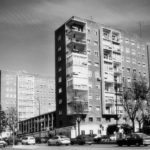
See fiche

Grupo Nuestra Señora de Montserrat

Grupo Nuestra Señora de Montserrat

Calle Doctor Esquerdo 97-105/calle Rafael Salazar Alonso 1-23 y 2-22, calle José Martínez de Velasco
28007, Madrid, España
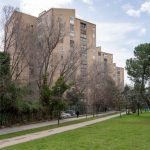
See fiche

Colonia Nuestra Señora de Lourdes, El Batán

Camino del Campamento 1-5 y 22-28/paseo de Extremadura
28011, Madrid, España
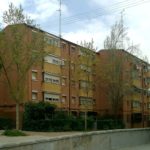
See fiche

Gran San Blas, fase G

Gran San Blas, fase G

Delimitado por las calles Albaida, Hellín y Alberique
28037, Madrid, España
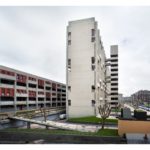
See fiche

Conjunto de viviendas protegidas Pedro Astigarraga

Calle Larrako Torre/calle Islas Canarias
48015, Bilbao, España

See fiche

Grupo de viviendas para Cooperativa de Agentes Comerciales

Calle de Santa María Micaela 18 / avenida de Pérez Galdós
46008, Valencia, España

See fiche

Save to...