Buildings of José Luis Romany Aranda
7 buildings
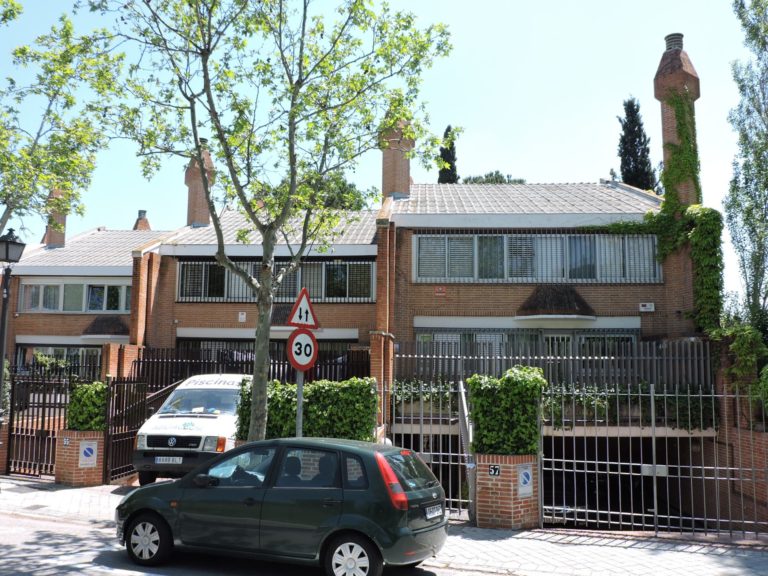
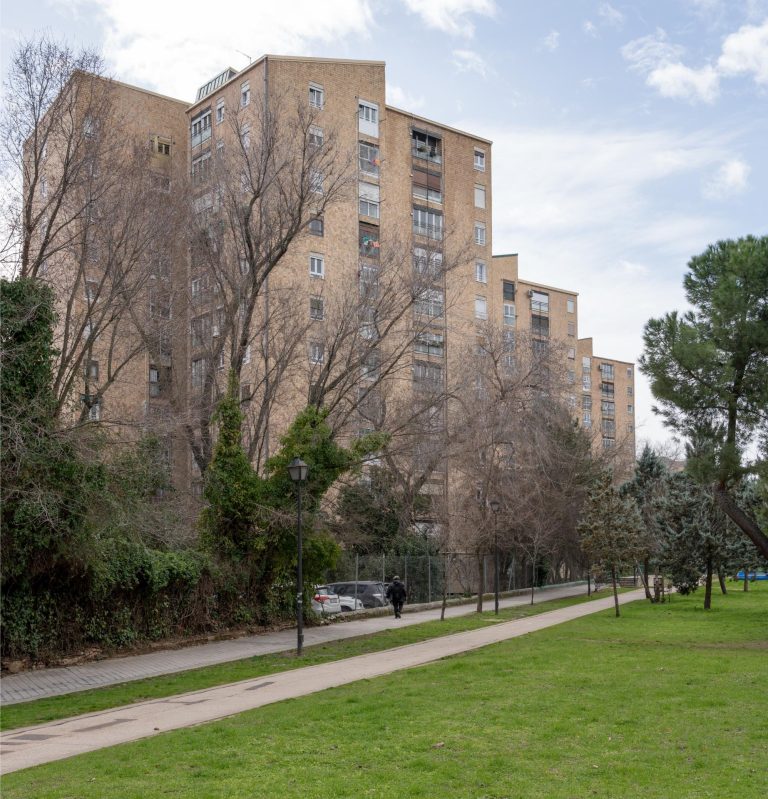
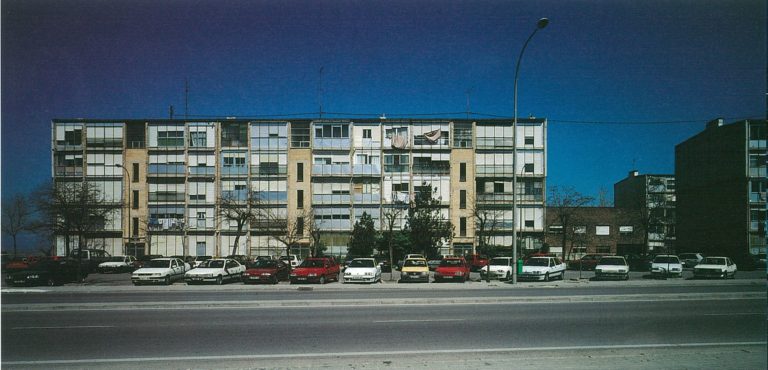
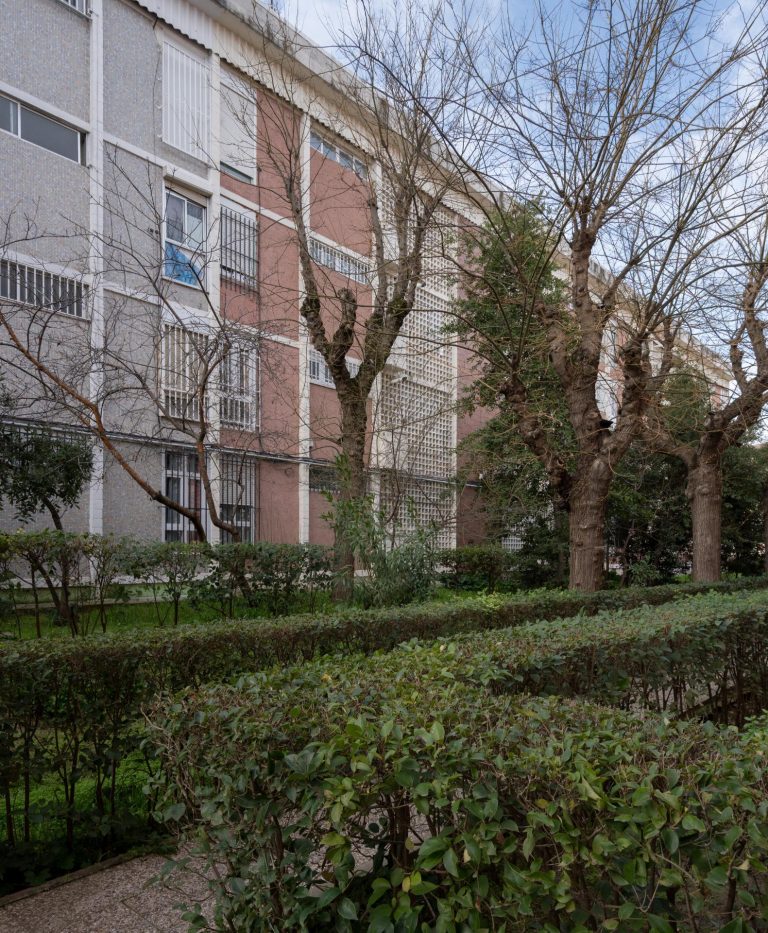

Dénia, 1921-Madrid, 2024
Although he was originally from Dénia (Alacant), José Luis Romany Aranda developed his professional career mainly in Madrid, a city where he played a relevant role in designing social housing and urban planning during the second half of the 20th century.
He studied at the Madrid School of Architecture in the early 1950s. Prior to that, he completed preparatory studies for entrance to the university alongside Eduardo Chillida, who also began studies of architecture, although he dropped out shortly afterwards. The two maintained a close and lasting friendship throughout their lives.
In 1954, Romany Aranda won Spain’s National Architecture Prize for the Chapel of the Camino de Santiago, a project built in collaboration with Francisco Javier Sáenz de Oiza and Jorge Oteiza, which was evaluated by a jury formed by Luis Moya Blanco, Modesto López Otero and José Luis Fernández del Amo.
From the beginning of his career, Romany focused his activity on collective housing and urban planning, participating in teams and organizations associated with the development of social housing and the renewal of post-war residential models. A major portion of his professional work was connected to the charitable construction company El Hogar del Empleado, which led to his participation in numerous social housing complexes in Madrid.
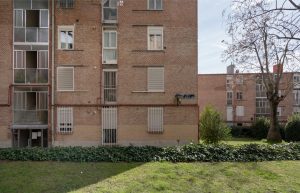
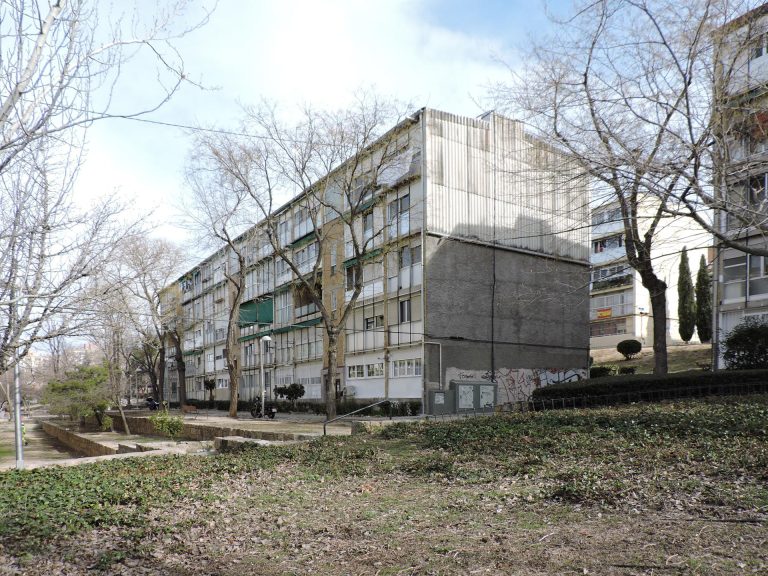
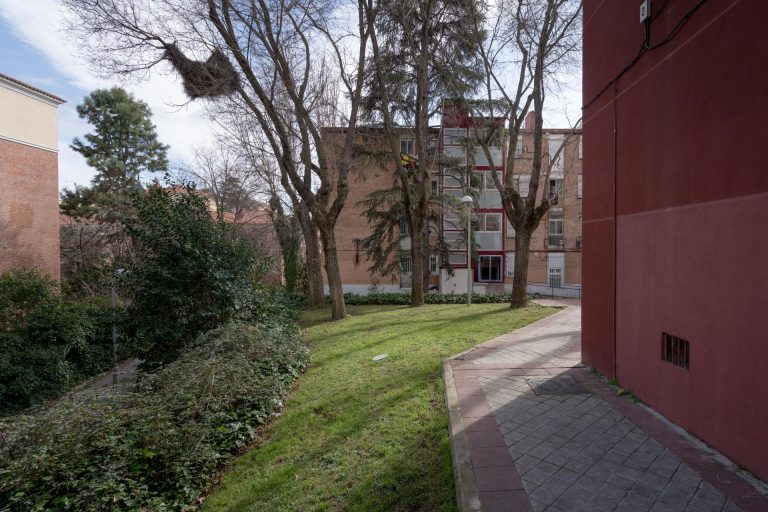
In this context, he collaborated with architects of his generation such as Sáenz de Oiza, Luis Cubillo de Arteaga and Manuel Sierra, joining a movement committed to improving housing conditions and introducing modern criteria into residential architecture, even during the autarkic years of Franco’s regime. This team of young architects designed and built various social housing complexes in Madrid: notably, the Erillas Neighbourhood Unit, the Batán neighbourhood, and Puerta del Ángel.
His best-known works include several social housing developments and neighbourhoods built in Madrid between the 1950s and 1960s, which addressed issues such as open block layouts, the relationship between buildings and open spaces, and the adaptation of modern models to the social and economic conditions of the time. Particularly noteworthy was his participation in the Directed Settlement of Fuencarral, one of the most significant residential complexes of the time, for which he also designed some of the most emblematic public facilities.
Alongside his design work, he showed an ongoing interest in popular architecture and the territory, especially in relation to his home region of Marina Alta. This interest took the form of graphic documentation, drawings, and studies on vernacular architecture, which complemented his professional practice and show evidence of a focus on the constructive tradition and the landscape.
In the final stage of his career he continued to specialize in large residential complexes, with projects such as the 760 flats in Orcasitas and two superblocks in Palomeras. He also completed the urban planning for the La Vaguada area in Madrid and its shopping centre, one of the first examples in Spain that introduced the US commercial model.
Less widely known than some of his contemporaries, he nevertheless occupies a relevant place in the history of 20th-century Spanish architecture and urban planning, especially in relation to experiments with social housing and urban modernization processes developed in Madrid during the post-war period.
Biography by Roger Subirà
Bibliography