Buildings of José López Zanón
10 buildings

Ferrol, 1926
José López Zanón was born in 1926 to a Galician father and an Italian mother. The premature death of his wife left him to raise five young children on his own, a circumstance that, in the architect’s own words, profoundly influenced his personal and professional life.
Although the details of his early education are not widely documented, his design and teaching career lets us reconstruct a biography characterized by a commitment to a functional, clear, and rigorous architecture. Despite his Galician ancestry, his work shows a notable influence of Germanic culture, a result of his in-depth knowledge of the German language and the time he spent in Germany, where he was introduced to the most innovative movements of the time, especially with connections to the Bauhaus.
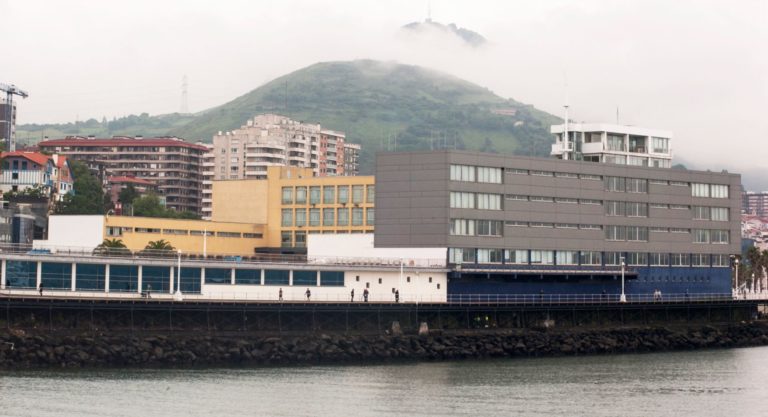
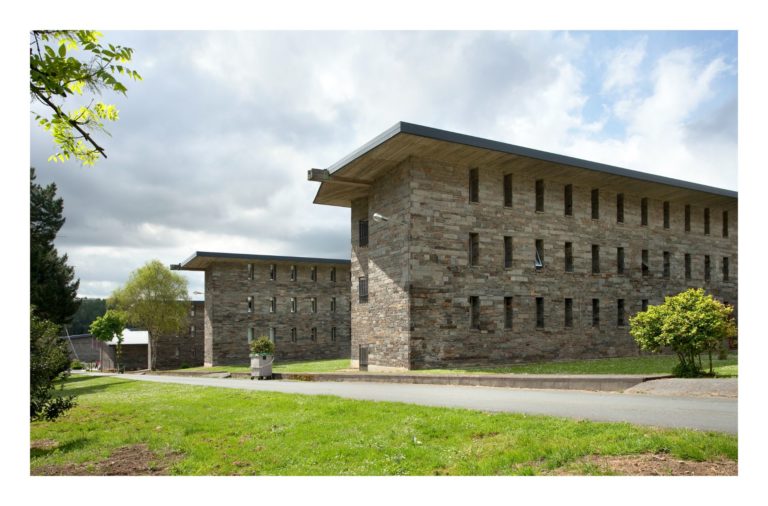
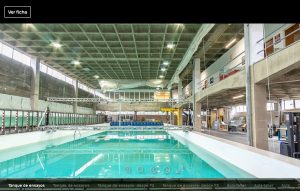
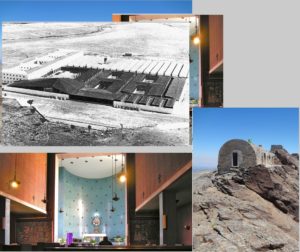
During the 1950s and 1960s, López Zanón participated in numerous public projects, with a special focus on educational buildings, many of them in close collaboration with the architect Luis Laorga, with whom he shared an office until Laorga died in 1990. In 1961, they completed the design for the Labour University of La Coruña, awarded through a public competition. This commission marked a turning point in López Zanón’s career: it was the first milestone in a personal investigation into a “grid-based” or modular organization of large complexes, especially for educational use. Inspired by the designs of the Azeri-French architect Georges Candilis, among others, this line of work continued in projects such as the Hispano-American Labour University of Cáceres, the Labour University of Huesca, and the School of Engineering at the University City in Madrid.
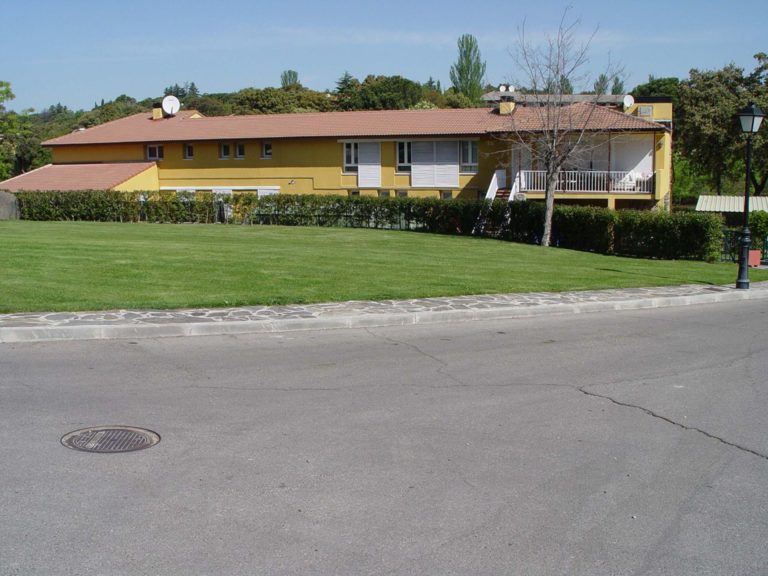
In parallel, the two architects developed various collective housing projects, such as for military personnel in El Encinar and Zaragoza, characterized by a restrained architectural language with careful attention to proportions and a modest use of materials.
Along with his design work, López Zanón was intensely dedicated to teaching. He was a professor of Urban Planning at the Madrid School of Architecture for 22 years, leaving a lasting mark on the education of generations of architects. His teaching was founded on a precise understanding of the territory, a critical view of urban growth, and a defence of the architect’s role as an agent of social transformation, and it drew on an unwavering support for the principles of the Modern Movement.
Despite not having been part of the most media-savvy circles of his time, his work earned recognition on the institutional level. In 2009, the Architects’ Union of Burgos awarded him the Professional Achievement Award in recognition of his contribution to socially engaged architecture and his dedication to teaching.
His legacy continues through his work, his writings, and the impact he left on those who shared classrooms and projects with him. José López Zanón’s serene and thoughtful architecture embodies a blend of technical rigour, constructive clarity, and a profound social vocation.
Biography by Roger Subirà
Bibliography