Buildings of Eduardo Torroja Miret
20 buildings



Madrid, 1899-1961
Eduardo Torroja Miret was born into a family dedicated to technical and scientific pursuits. He was the son of Eduardo Torroja Caballé, a mathematician from Tarragona who moved to Madrid, and who was a professor of geometry in Valencia and Madrid and a member of the Royal Academy of Exact, Physical and Natural Sciences. In 1917, he entered the School of Civil Engineering in Madrid and, thanks to his outstanding academic record, upon completing his studies in 1923 he began collaborating with one of his professors, José Eugenio Ribera, at the Compañía de Construcciones Hidráulicas y Civiles.
In 1927 he founded his own firm in Madrid with fellow engineer Manuel Sánchez Arcas. His professional activity was not limited to engineering; it was also influenced by his knowledge and defence of the modern architecture that had emerged around the early CIAM and the work of Le Corbusier. This versatility allowed him to take on engineering projects such as viaducts as well as public and private buildings in a range of typologies.
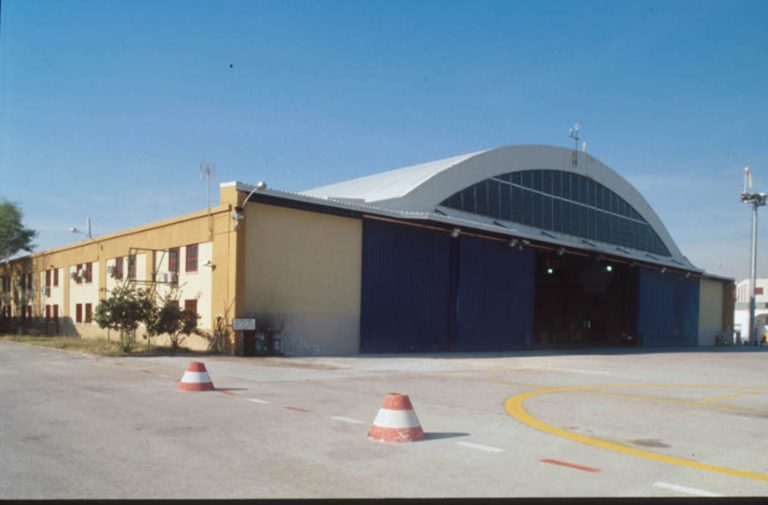
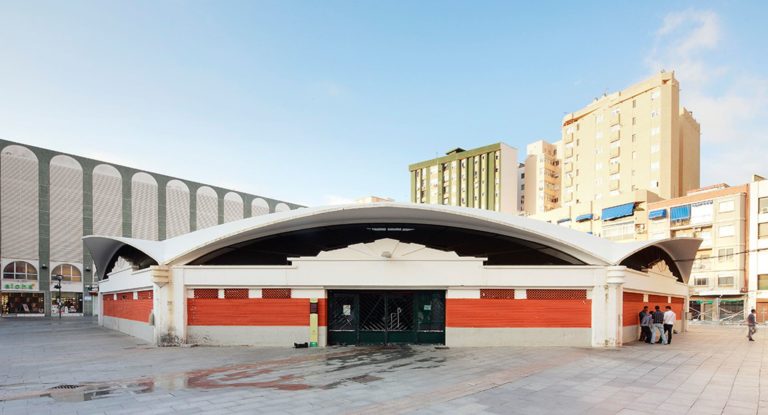
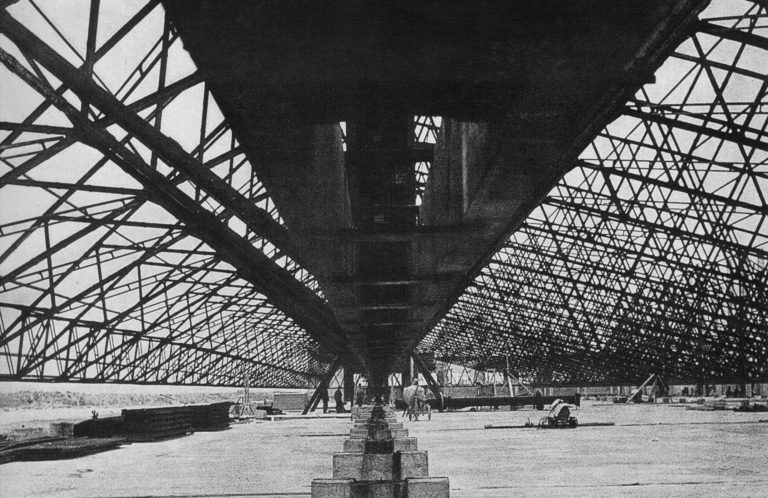
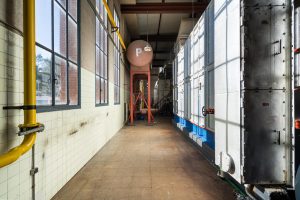
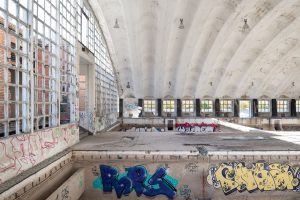
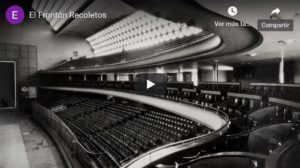
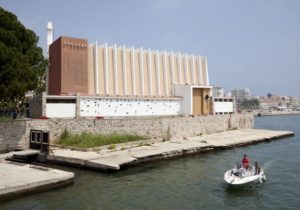
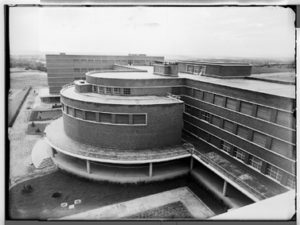
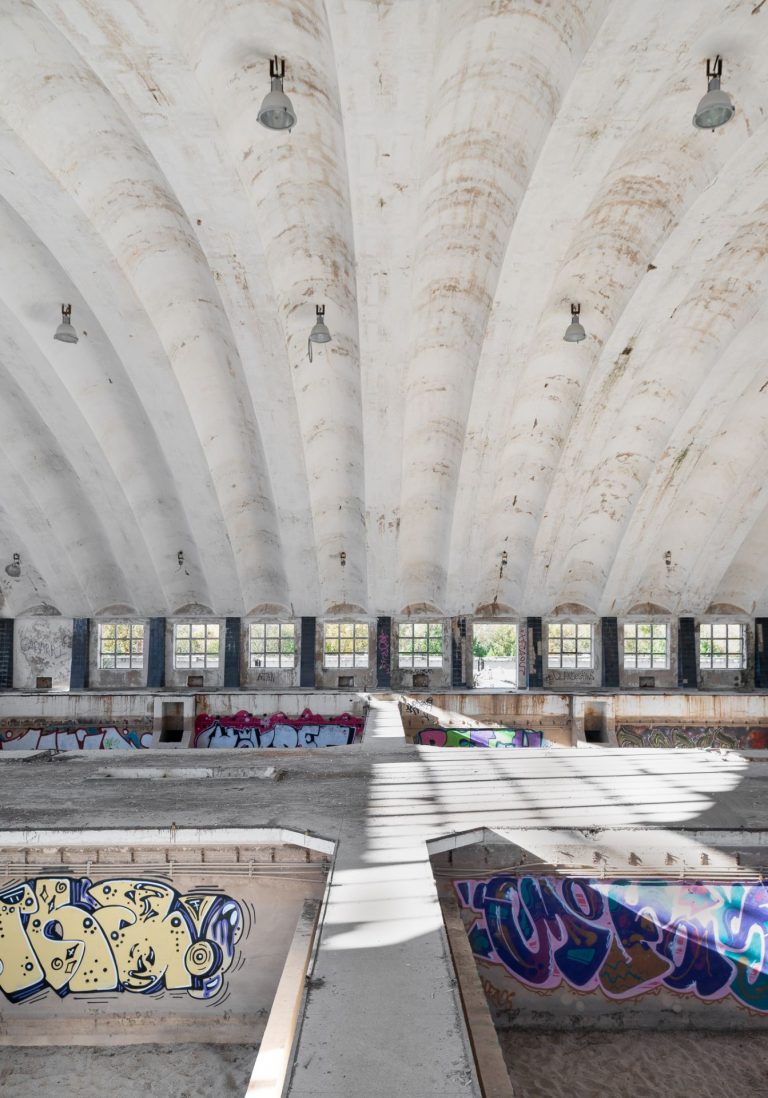
One of the architects’ first joint projects, the Power Station for the University City in Madrid, was awarded the National Architecture Prize in 1932. The following year they designed the Algeciras Market, where the impressive concrete roof – with a diameter equivalent to that of the dome of the Pantheon in Rome and supported at just eight points – constituted a true structural feat. This achievement, along with others like the Frontón Recoletos in Madrid, since demolished, paved the way for increasingly experimental designs that cemented Torroja’s career internationally and established him as one of the world’s leading authorities on concrete structures.
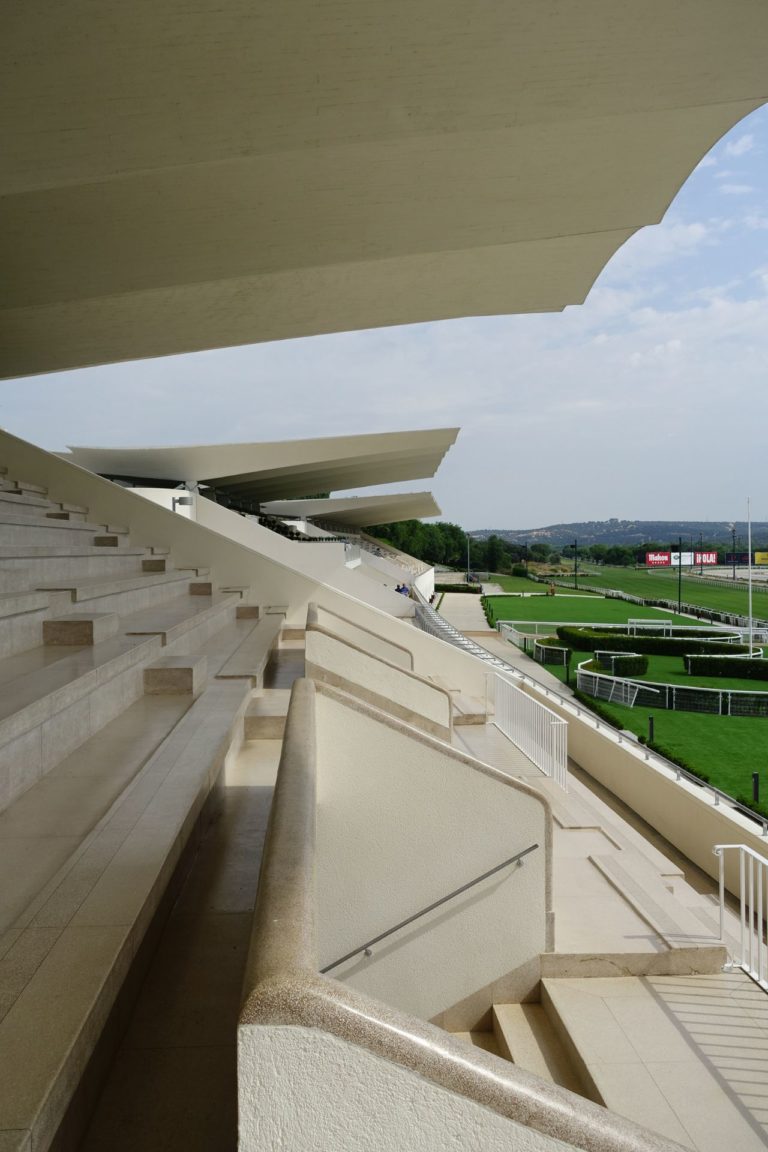
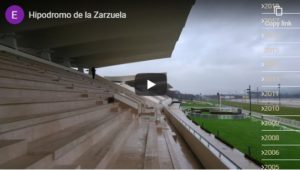
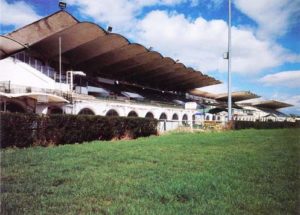
His most notable achievements from this period include the roof of the Zarzuela Hippodrome, with a span of 12.80 meters and a minimum thickness of just 5 centimetres at the edges. The design was conceived with the young architects Carlos Arniches and Martín Domínguez, who were affected by reprisals in the wake of the Spanish Civil War; as a result, Torroja was left to complete the project on his own.
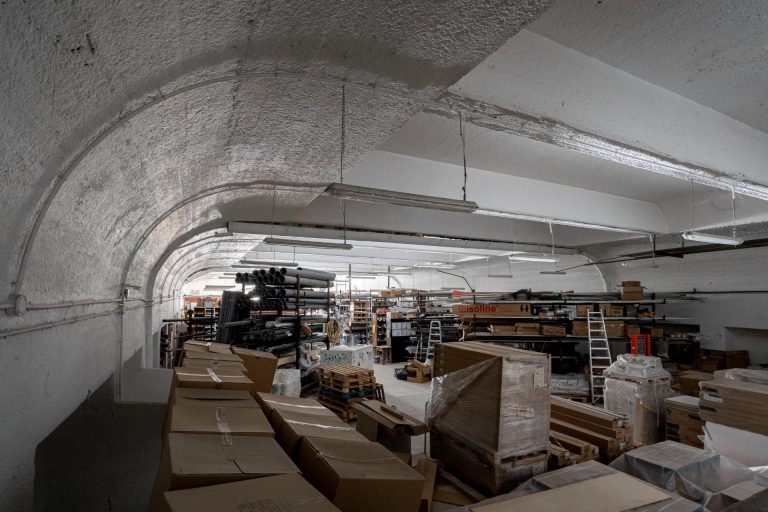
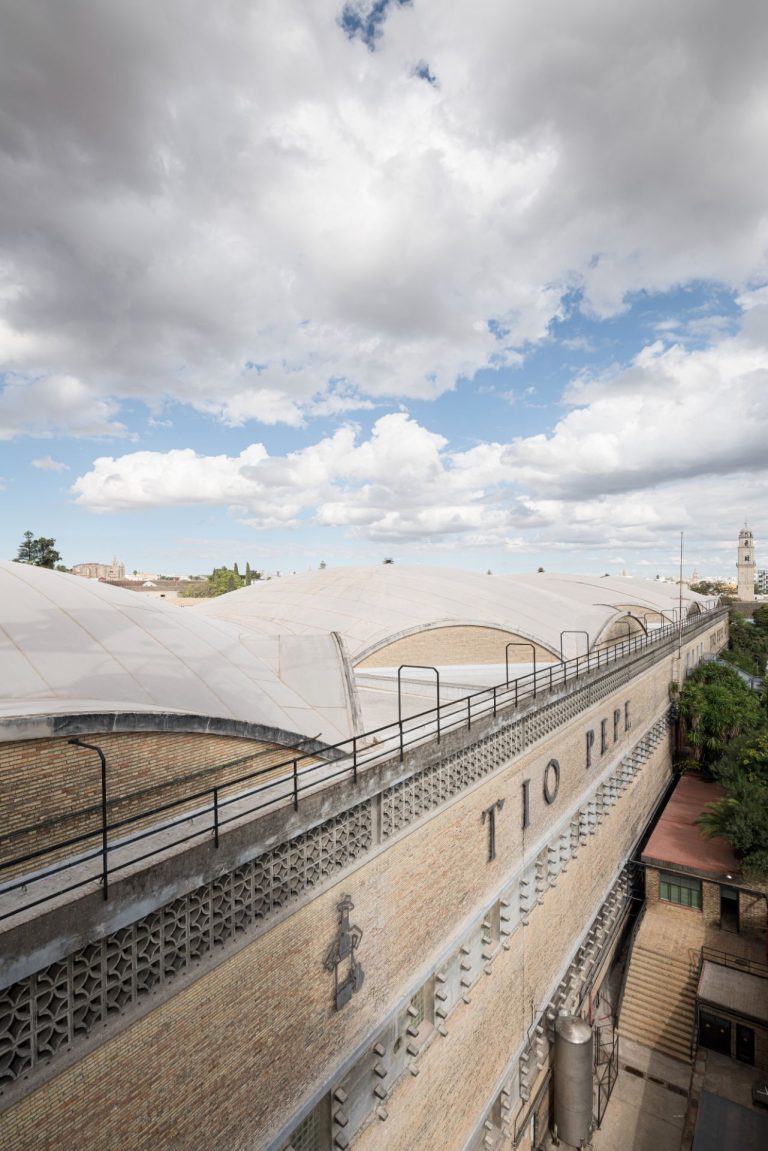
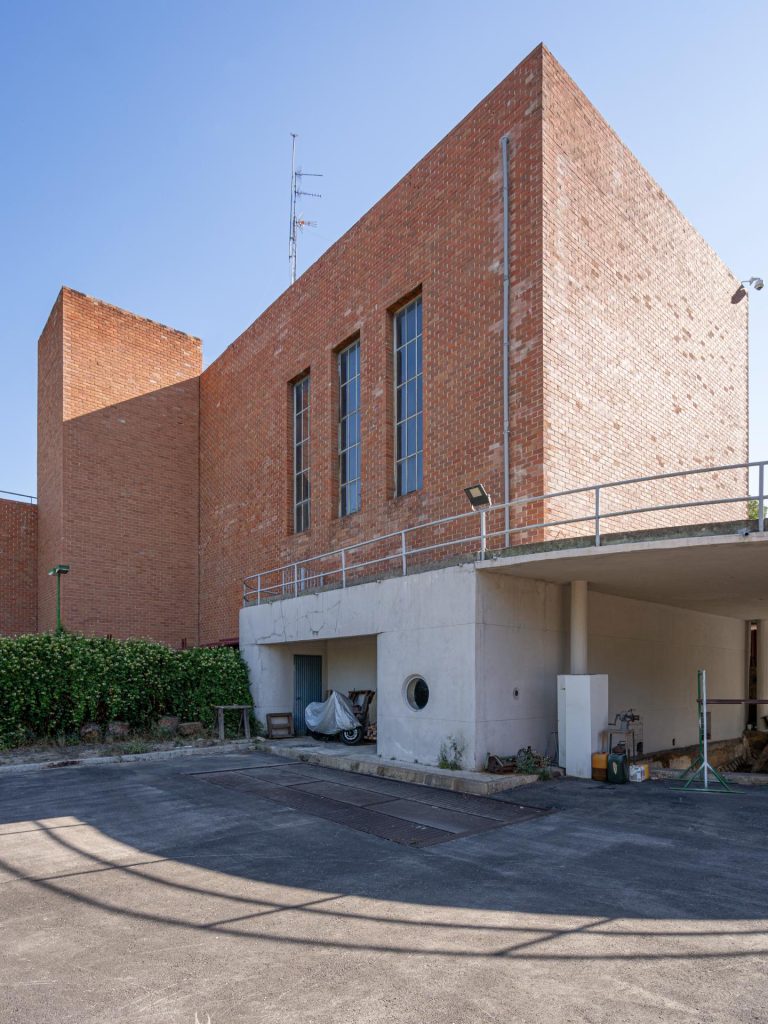
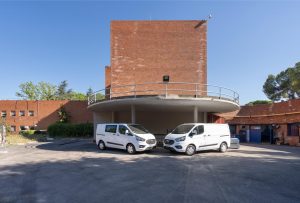
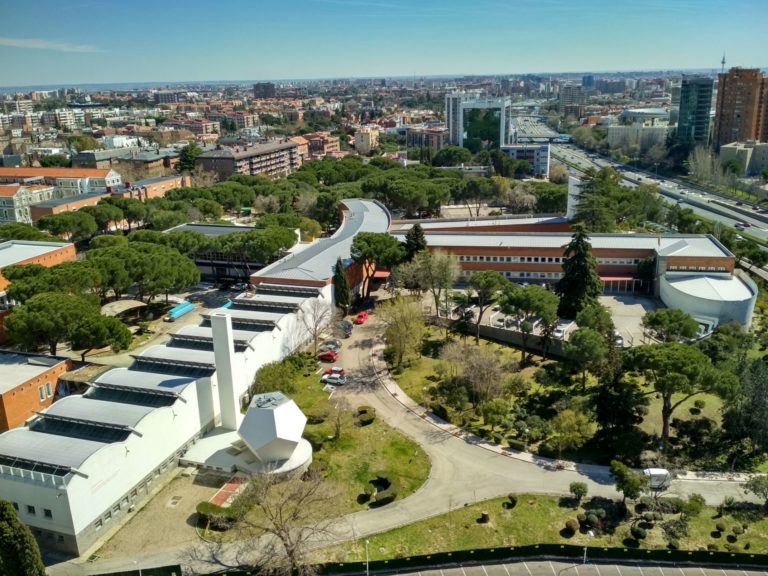
After the war, he was appointed as a professor at the School of Civil Engineering in Madrid, where he taught courses related to structural calculations and material strength. He also took over the direction of the Central Laboratory for Testing Construction Materials, created in 1898 and affiliated with the school, which he modernized and expanded with new buildings of his own design.
During this period, his in-depth knowledge of concrete structures led him to combine design work with intense research and scientific activity. He held important positions in national and international organizations that became key players in the reconstruction process in post-war Europe. They include the International Association for Prestressed Concrete, the International Group of Material Testing Labs, and, especially, the European Concrete Committee, which he played an active role in creating. His influence on these institutions ultimately established him as a leading figure and a global benchmark in the field.
The need for advanced experimental methods led him to develop a business structure that would support carrying out tests in specialized laboratories, with the appropriate resources for large-scale experimentation and strict measurement of the models’ performance. With this goal in mind, together with other engineers and architects, he founded the company ICON (Investigación de la Construcción SA), the origins of the future Technical Institute of Construction and Building, for which he was the first secretary, and which was directed by Modesto López Otero.
The final phase of his life was spent engaged in scientific activity at the Technical Institute of Construction and Cement ─ an evolution of the aforementioned Technical Institute of Construction and Building, now affiliated with the CSIC – which took the name of the Eduardo Torroja Institute of Construction Sciences in his honour. His legacy includes multiple pedagogical and academic texts that form the basis of modern standards for reinforced and prestressed concrete structures. In 1944, he became a member of the Royal Academy of Exact, Physical and Natural Sciences, an institution to which his father and brothers had also belonged.
In recognition of his scientific contributions, he received the highest civil awards, including the Grand Cross from the Order of Alfonso X the Wise, the Grand Cross from the Order of Civil Merit, and several honorary doctorates awarded by universities around the world. After his death, he was posthumously named Marquis of Torroja.
Biography by Roger Subirà
Bibliography