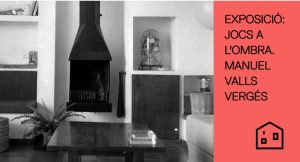
Buildings of Manuel Valls Vergés
19 buildings
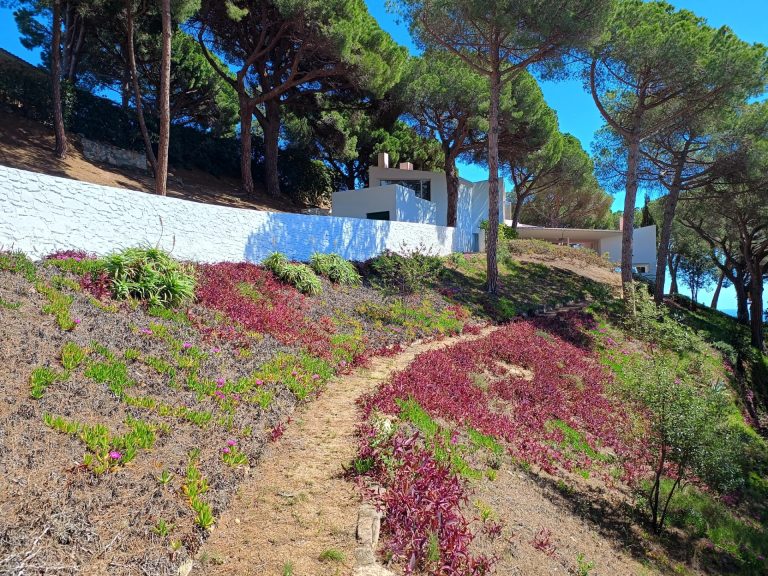


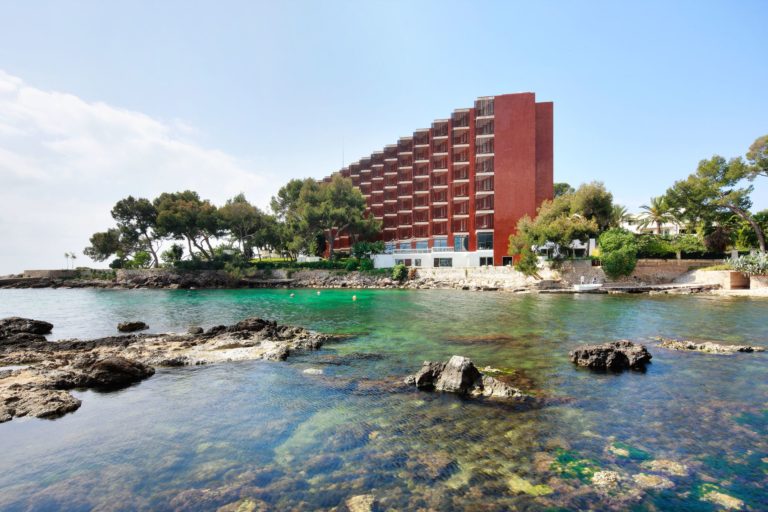
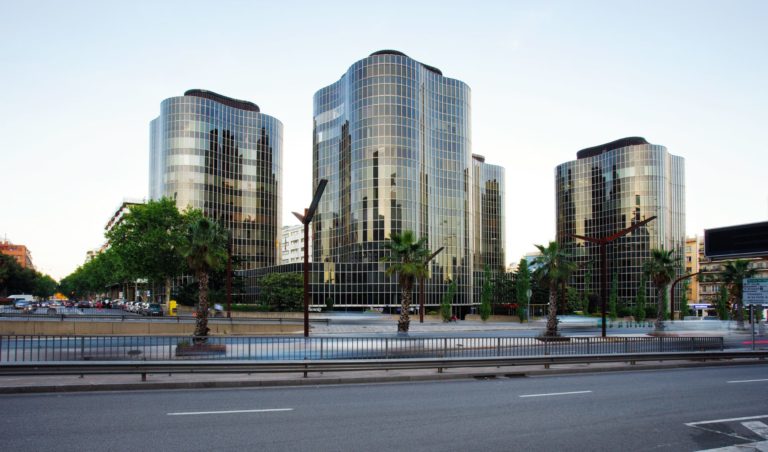
Barcelona, 1912-2000
Manuel Valls’ first vocation was not architecture; he began studying medicine, following in his father’s footsteps. His appreciation for architecture as a potential career was sparked by a visit to the German Pavilion at the 1929 Barcelona International Exposition. In his own words, “seeing these new materials and what beautiful things could be made from them,” he decided to change careers to become an architect. In 1940, upon completing his studies, he began his professional career sharing an office with José Antonio Coderch, whom he had met when they were students together. Their careers remained intertwined, and they co-authored most of their projects through the early 1970s.
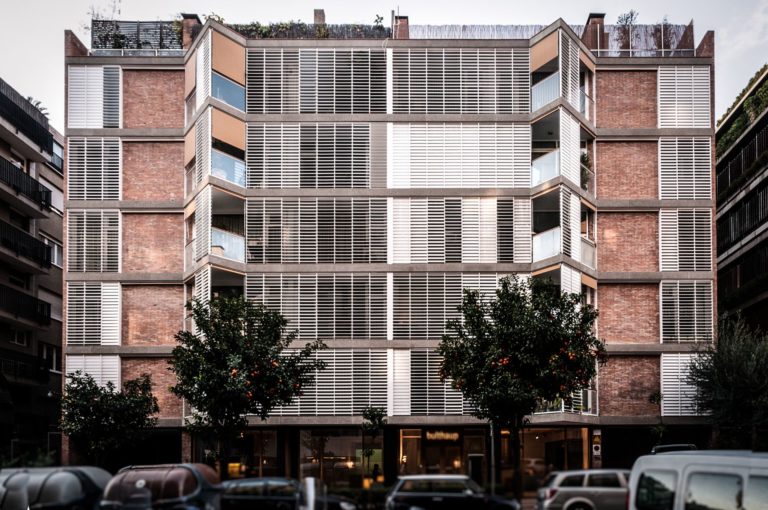
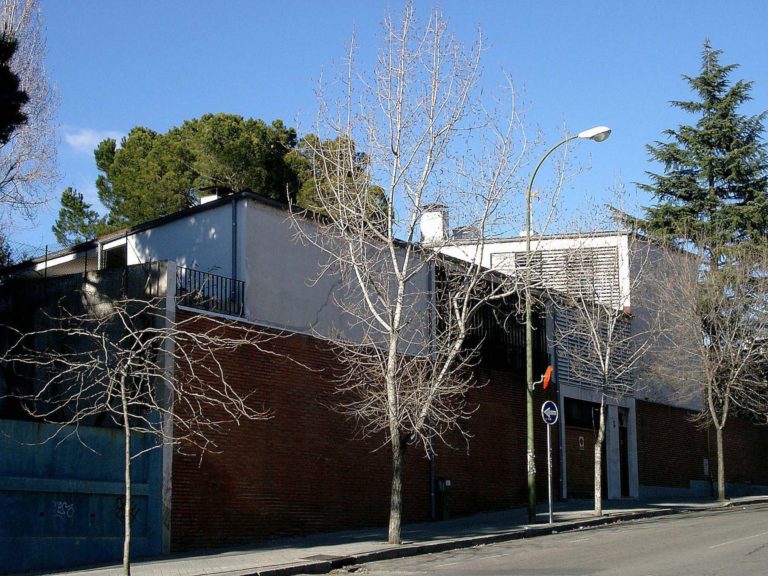
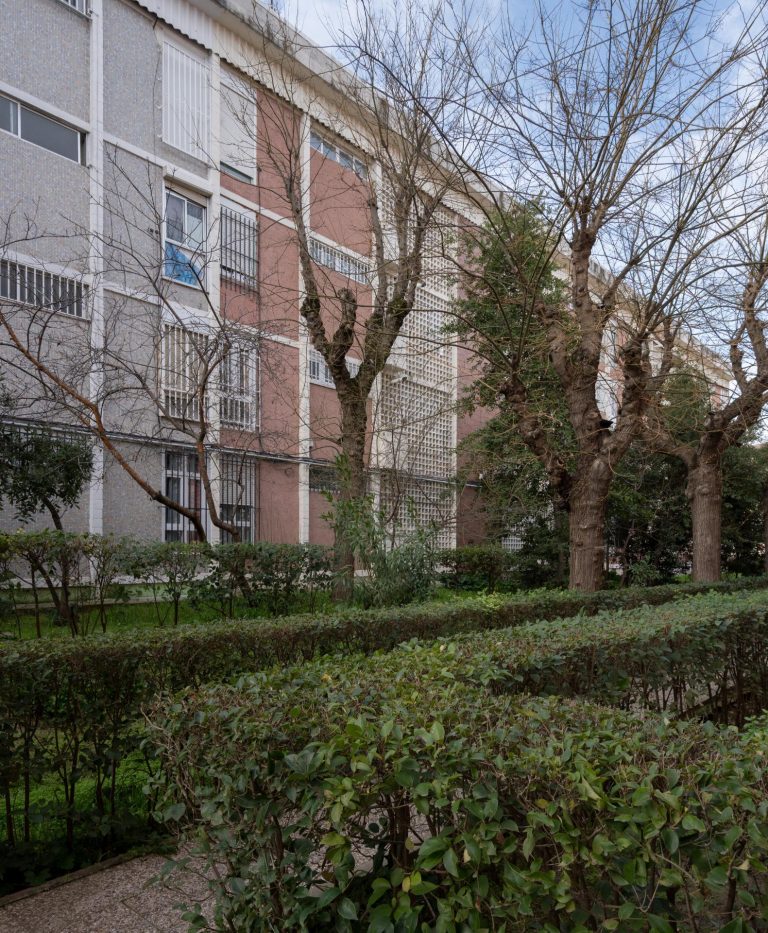
In 1951, Manuel Valls was a founding member of Grup R, a group of architects who argued for a return to rationalism, in contrast to the academicist architecture that characterized the early post-war years. A few years later, their projects began to gain recognition: in 1960, Valls and Coderch were given the FAD Architecture Award ─ in its third edition ─ for a residential building on carrer Compositor Bach in Barcelona. This award gave a boost to their careers, which were also supported by attention from Gio Ponti, an influential figure in those years and director of the journal Domus. A series of curatorships and exhibition appearances, notably at the XI Milan Triennale, made Coderch and Valls known on the international scene. This visibility led them to a relationship with members of Team X, such as Aldo van Eyck and the Smithsons, increasing their prestige and leading to their participation in important debate forums, including the 5th National Assembly of Architects. Twelve years after their first FAD award, they won one again for the Banco Urquijo housing complex.
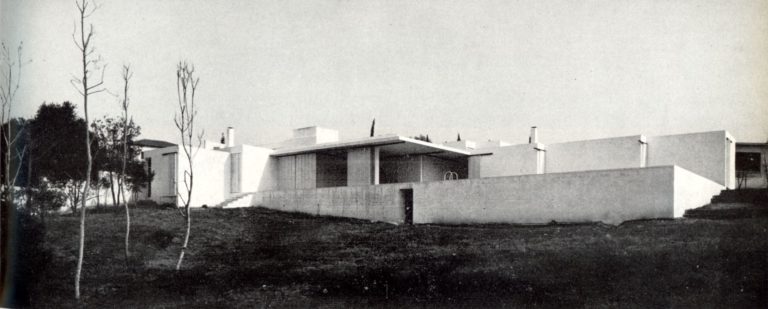
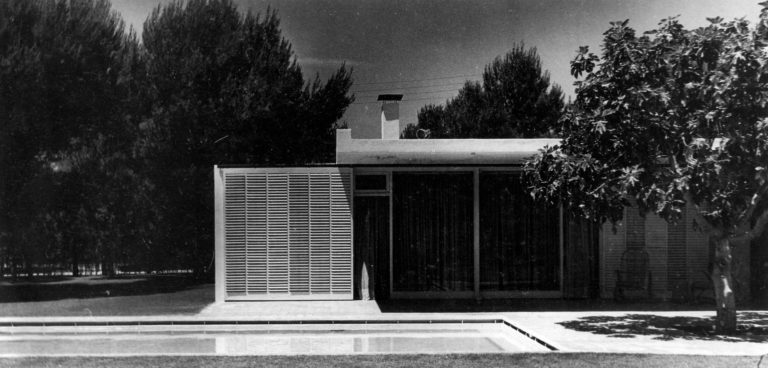
In 1960, Manuel Valls began an intense teaching career at the Barcelona School of Architecture. Up until that point, he had designed numerous single-family homes with Coderch, mainly on the Catalan coast, including the Ugalde House and the Senillosa House, as well as the famous fishermen’s dwellings in the Barceloneta neighbourhood. From then on, they designed other single-family homes, such as the Gili House, the Rozes House, or the house they built for the painter Antoni Tàpies, as well as single-family complexes, which allowed them to develop significant typological research. The high point came with projects like the Girasol building in Madrid and residential designs such as the Banco Urquijo building or Les Cotxeres in Sarrià, Barcelona. Their careers were characterized by typological research in housing. The two architects ended up developing a unique style that would exert a profound influence on subsequent Catalan architecture. Outside his prolific relationship with Coderch, Valls also designed the Pinilla House in Cabrera de Mar, the Escursell flats in Cap Salou, and the Montal House and Feliu House in the Maresme region.
His work as an industrial designer is particularly noteworthy; some of his lamps – like the MVV model – are still on the market today. In addition to his private professional activity, Valls held the position of municipal architect in Arenys de Mar for 23 years.
In 1982, he received the Gold Medal from the Architects’ Association of Catalonia. He died in 2000. In 2024, on the occasion of the donation of his professional collection to the COAC Historical Archive, a retrospective exhibition featuring original materials was organized at the headquarters of the Architects’ Association in Barcelona, along with a broad selection of his industrial designs, including ceramic tiles, lamps, and furniture.
Biography by Roger Subirà
Bibliography