Buildings of Juan Manuel del Busto González
8 buildings
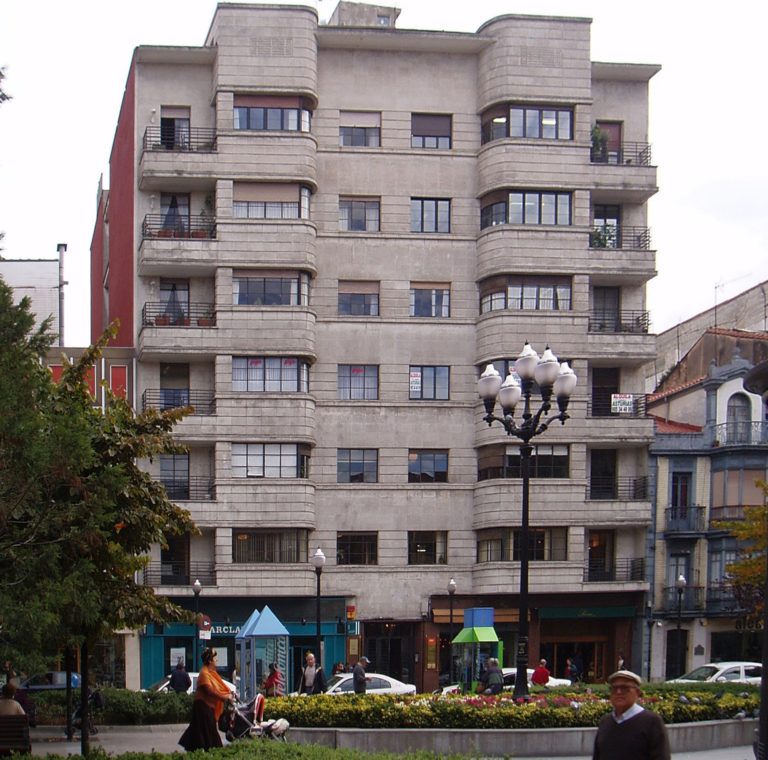


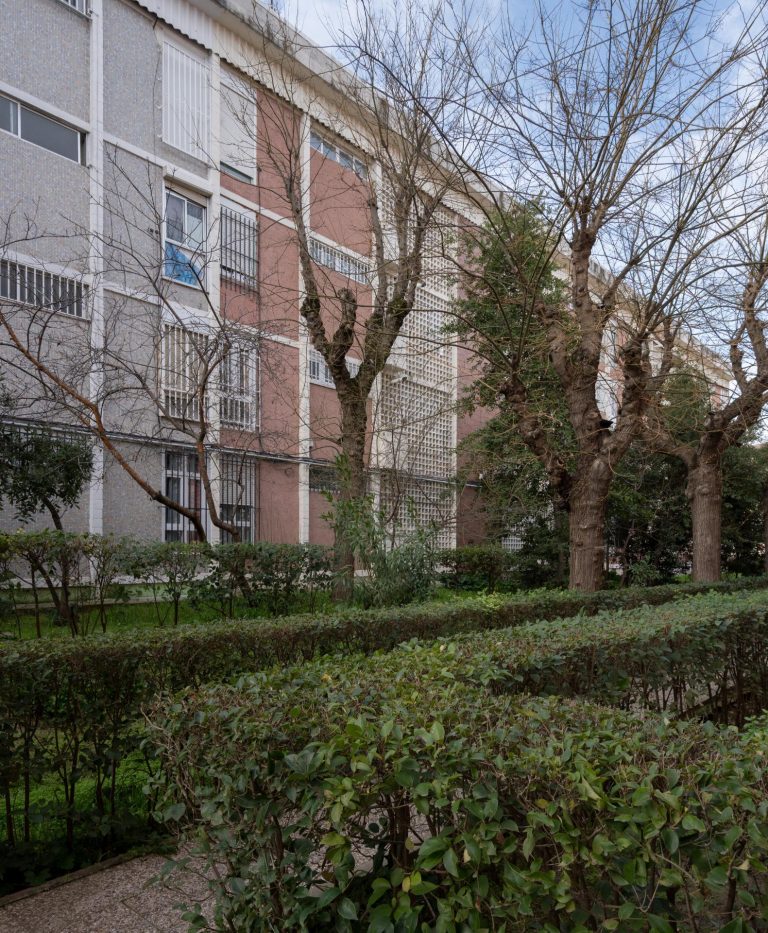
Gijón, 1904-1967
Born in Gijón in 1904, Juan Manuel del Busto González was the son of the architect Manuel del Busto Delgado, whose father had emigrated to Cuba but returned to Asturias after becoming a widower. From a very young age del Busto González showed an interest in drawing, a hobby that he maintained throughout his life, and which proved decisive in his professional trajectory. This interest led him to pursue architecture, and he moved to Madrid at an early age to study at the Alfonso XII school, located on the grounds of the El Escorial monastery. His education was rounded out with a two-year stay in London, focused on perfecting his skills as a draftsman; this stage laid the foundations for his subsequent academic and professional development.
He completed his architectural studies at the Madrid School of Architecture, where he obtained his degree in 1931. Immediately after graduation, he built his first solo work, the church of San Julián in Gijón, although the bulk of his early production was developed in close collaboration with his father, through to the latter’s death. Together, they founded the Architects’ Association of Asturias, Galicia and León in 1931, and Juan Manuel del Busto González served as its secretary.
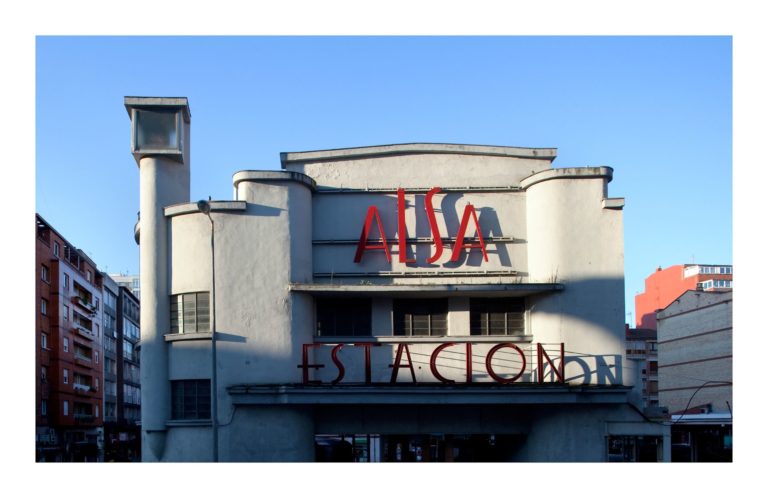
Del Busto’s work encompassed a wide repertoire of styles; in the early days, it was associated with Art Deco and gradually evolved towards rationalism. His numerous trips abroad during the 1930s and 1940s—to countries in the Mediterranean, to the US, where he became acquainted with the work of Frank Lloyd Wright, and to Southeast Asia—contributed to giving his architecture a remarkable formal freedom and a stylistic openness that was unusual in the Spanish context of the time. He recorded these experiences in many notebooks of drawings and watercolors, which offer a valuable account of his perspective and his creative process.
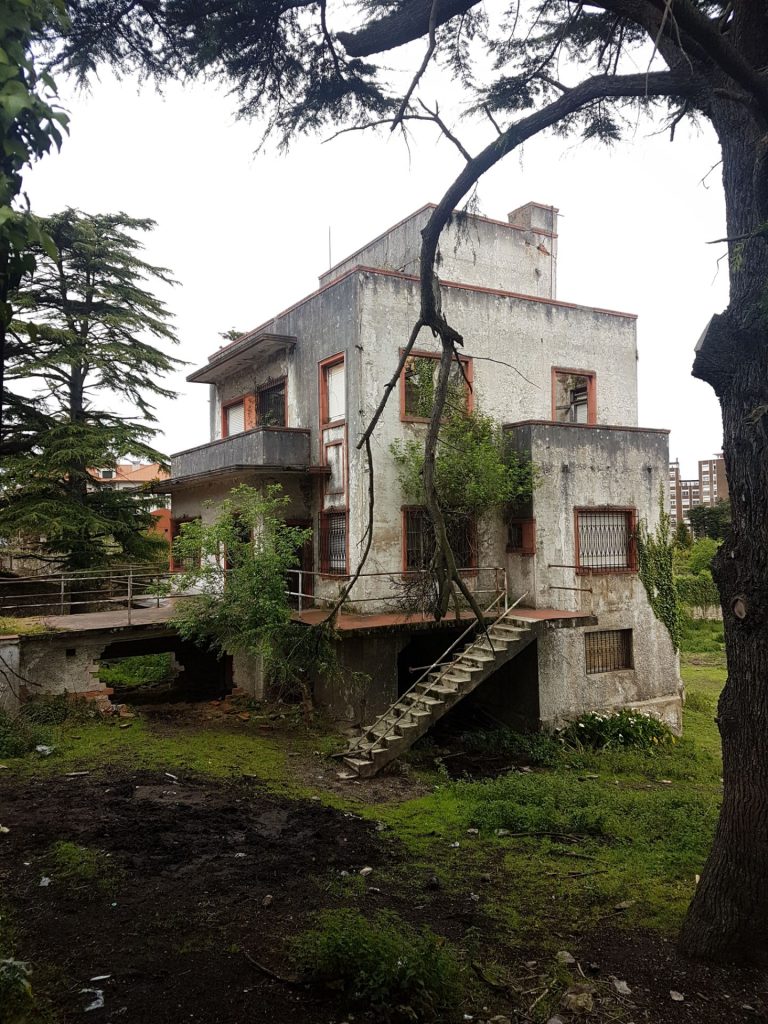
Despite this international openness, he always maintained a strong connection to Asturian architectural culture. Even after he had fully adopted the rationalist language, he continued to develop designs that were clearly historicist in character, particularly in the realm of the neo-Romanesque. His work is especially relevant in the urban fabric of Gijón and other places in Asturias. The most outstanding achievements of his early career include emblematic buildings such as the Casa Blanca and the Casa Roja in Oviedo, as well as various residential and public buildings in Gijón.
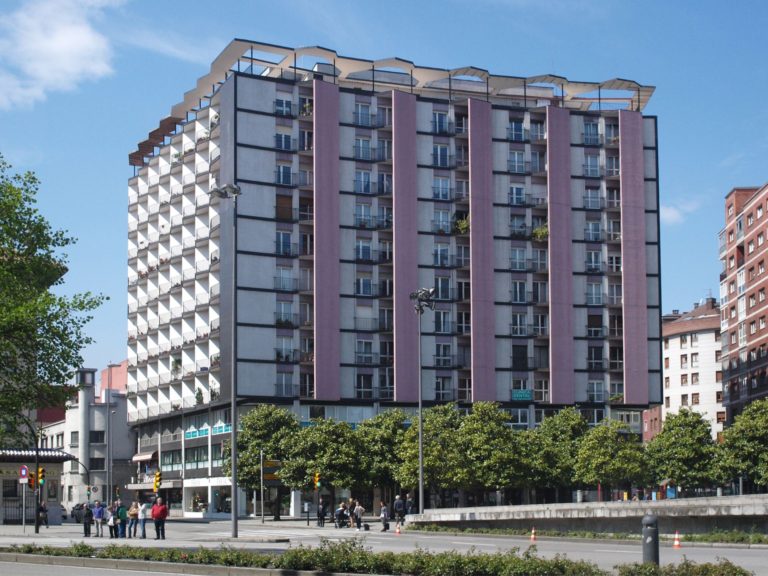
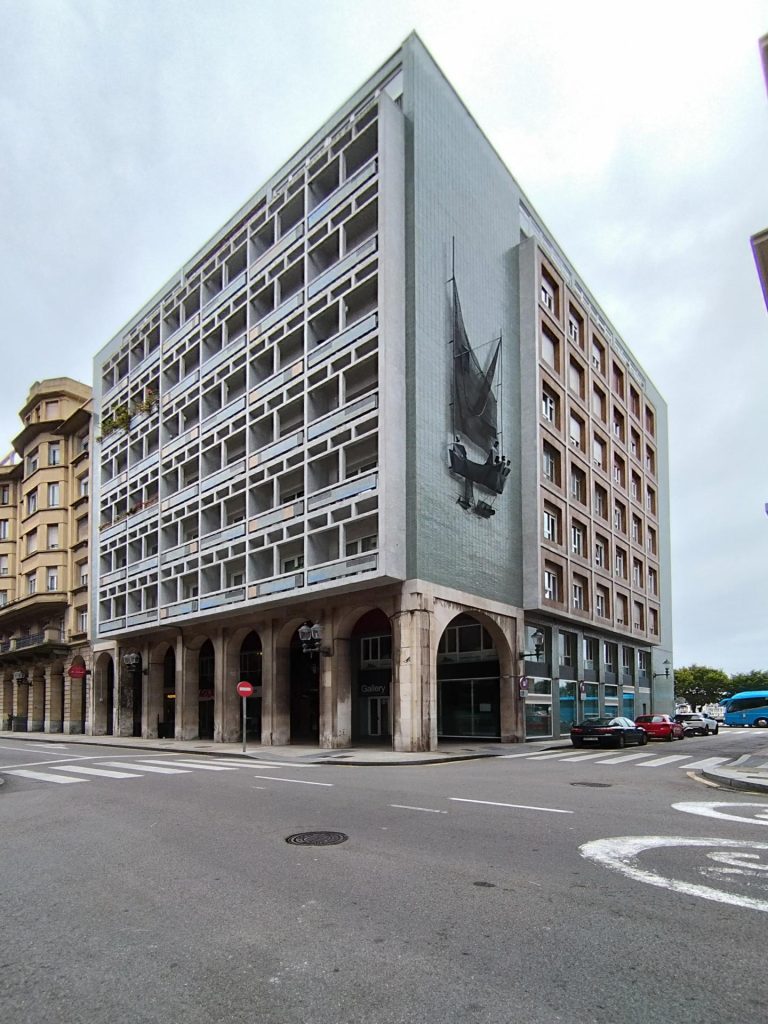
After his father’s death in 1948, del Busto González partnered with the architect Miguel Díaz Negrete, with whom he developed numerous projects from the 1950s until the final years of his life. This collaboration resulted in projects such as the Ciudad Residencial tourist complex in Perlora, the branch of the Asturian Savings Bank in Gijón, and various health centers in different Spanish cities. At this stage, his work incorporated functional solutions and a language that showed clear ties to the international trends of the time.
Del Busto also designed large-scale residential complexes, such as the 1,500-unit housing estate in Pumarín, and unique projects like the Hotel San Ángel, in Colombres (Asturias), the last work he built before his death in 1967.
The work of Juan Manuel del Busto González represents a bridge between avant-garde trends and functional responses to the urban and social demands of his time in Asturias, combining a professional practice with profound ties to the territory and a critical assimilation of international influences. In 1999, the exhibition “Manuel del Busto’s Gijón” organized by the Alvargonzález Foundation marked a milestone in the appreciation and cataloguing of his work and highlighted his role in the construction of architectural modernity in Asturias.
Biography by Roger Subirá
Bibliography
